Preserving the ecological balance of interconnected planetary systems
Every organism maintains biosphere integrity, weaving a biotic web where resilience depends on functional diversity. Systemic disruption in one trophic level ripples through the global network.



Understanding the global environmental impact
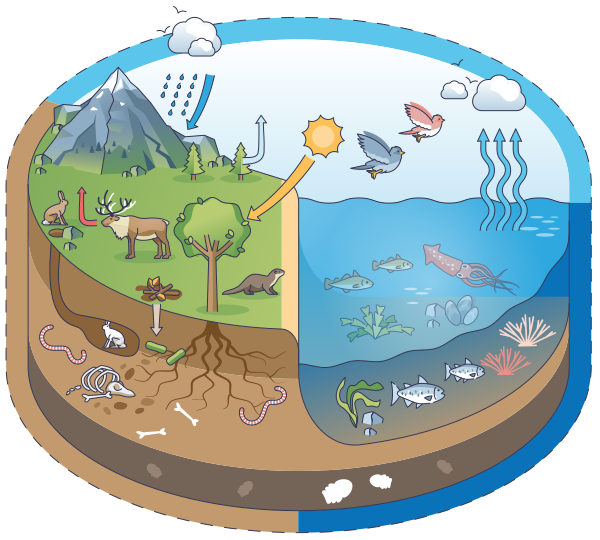
Thriving biodiversity within complex living ecosystems
From the depths of the oceans to high-altitude forests, biological networks function through symbiosis. Energy flows constantly between producers, consumers, and decomposers in a continuous nutrient cycle.
Coral reefs exemplify marine symbiosis, sheltering species within calcified structures. These habitats protect coastlines from erosion while serving as essential nurseries. When one keystone species vanishes, structural integrity faces collapse, demonstrating the vulnerability of ancient biological architectures in a changing world.

Nature’s adaptive resilience mechanisms
The evolving relationship between humanity and global ecosystems


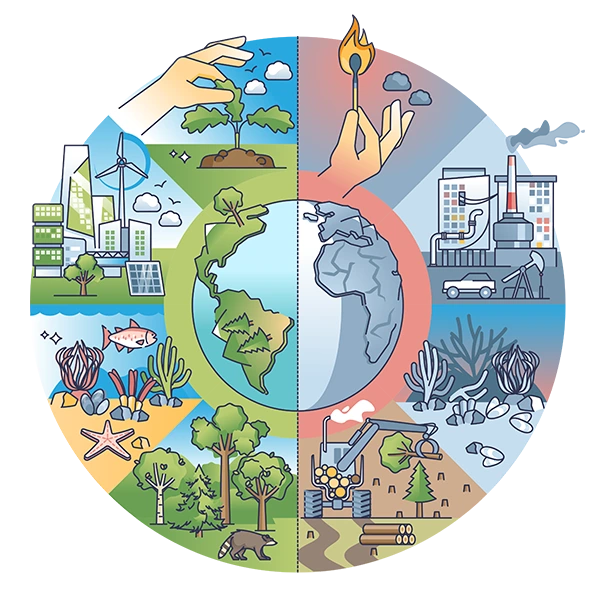
Habitat fragmentation and landscape modification
Urban sprawl disrupts natural habitats, severing migration routes and altering local microclimates permanently.


Intensive agricultural practices
Large-scale monocultures deplete soil nutrients while synthetic fertilizers contaminate surrounding water tables.


Pollution and toxic waste management
Microplastics permeate the food chain, causing bioaccumulation in organisms and reaching remote environments.


Ecological conservation and restoration efforts
Protected reserves allow degraded ecosystems to regenerate, fostering rewilding projects and native species return.
Human-nature interaction dynamics
Climate dynamics and the pursuit of atmospheric balance
Atmospheric circulation redistributes solar energy, creating weather patterns. Greenhouse gases naturally trap heat, maintaining temperatures that allow liquid water to exist on the surface.


Current GHG concentrations disrupt thermal equilibrium, intensifying climate instability. Glacial retreat and rising sea levels signal a rapid shift in the planetary climate state.
01
Ocean acidification processes
Absorbing excess carbon lowers pH levels, threatening calcifying organisms and destabilizing marine food webs.
02
Albedo effect reduction
Melting ice caps reflect less sunlight, causing the darker ocean surface to absorb more solar radiation.
03
Permafrost carbon release
Thawing frozen soils releases stored methane, creating a climate feedback loop that accelerates warming trends.
Global feedback loops
Managing finite resources within planetary boundaries
Extracting minerals, fossil fuels, and fresh water exceeds the Earth's natural regeneration rate. Modern economies rely heavily on materials formed over millions of years, treating finite stocks as infinite flows. This linear model of "take-make-waste" creates scarcity and geopolitical tension. Transitioning to sustainable management requires acknowledging physical limits, prioritizing efficiency, and valuing the preservation of natural capital over immediate industrial expansion.
Resource management strategies
Implementing green solutions and global energy transitions
Harnessing renewable energy sources
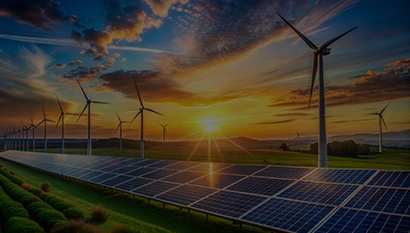
Solar and wind power integration

Photovoltaic arrays and offshore wind farms replace carbon-intensive plants. Smart grids and decentralized storage systems ensure reliable clean electricity distribution across regions.

Adopting circular economic models
Design for product longevity

Manufacturing emphasizes repairability and eco-design, transforming waste streams into secondary raw materials to close the industrial production loop completely.
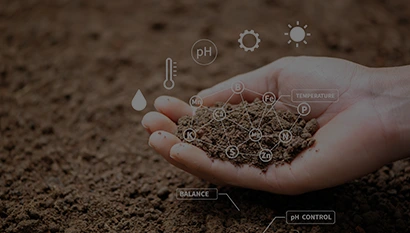
Regenerative agricultural techniques
Soil health restoration

Agroecology and rotational grazing sequester atmospheric carbon, enhancing biodiversity while improving water retention and crop resilience.
Sustainable future pathways
Education and the rise of ecological awareness
Knowledge drives behavioral change. Integrating environmental literacy into curriculums empowers generations to understand complex systems. Community workshops bridge scientific consensus and local action, fostering active stewardship where individuals understand their impact on the biosphere.